British baking’s history part two
Recipes aren’t the only thing that hold our British baking traditions together. Each bake reflects changing tastes, regional pride, royal influence and centuries of culinary innovation.
In the second of our two blogs, we explore the stories behind four of Britain’s best-known bakes.
Bakewell Tart: Derbyshire’s famous mistake
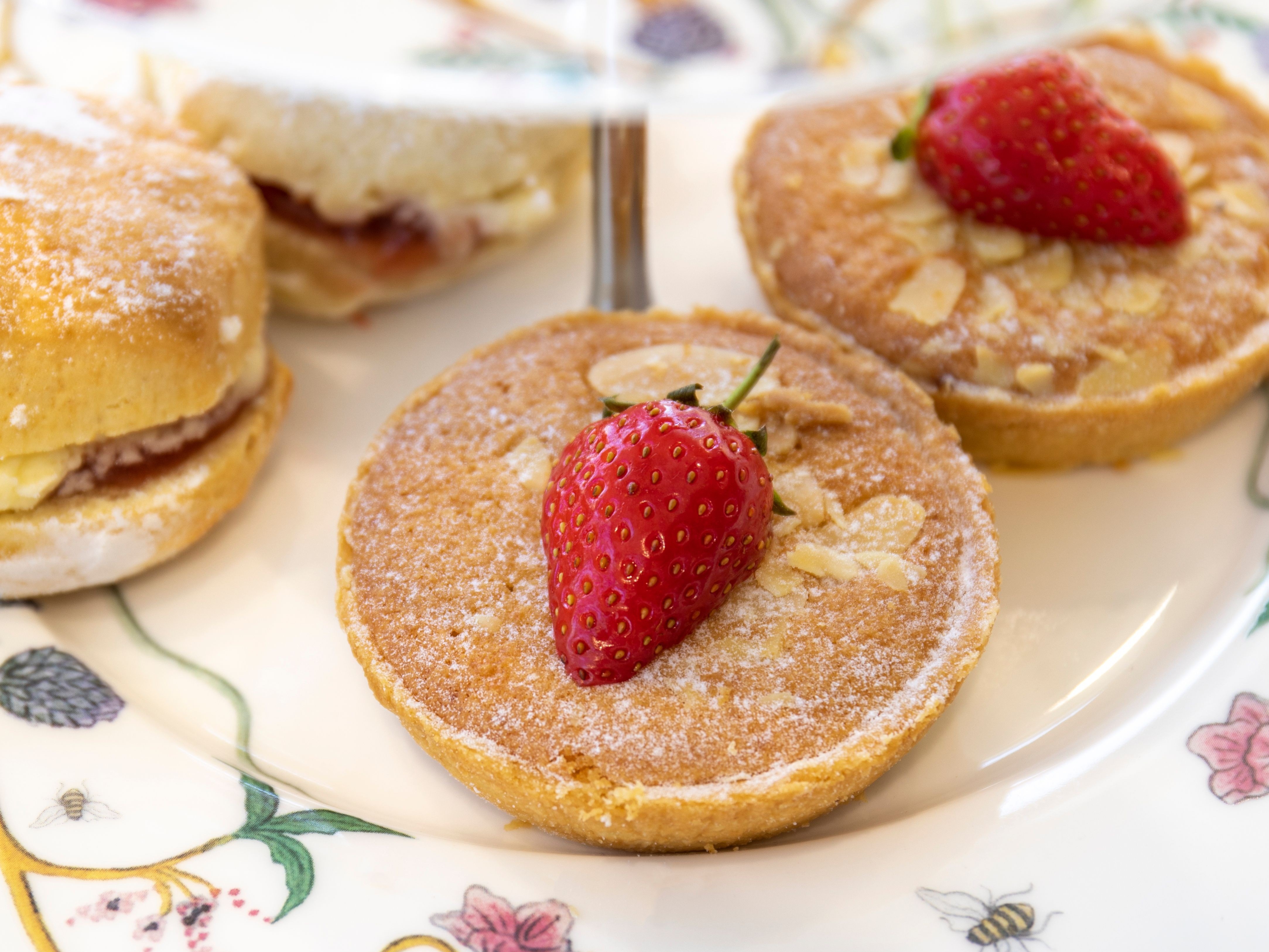
One of Britain’s best-known baking stories centres on the Bakewell tart. According to local tradition, the dessert was created accidentally in the Derbyshire town of Bakewell when a cook misunderstood instructions and layered an almond custard mixture over jam.
Whether the tale is entirely true remains debated, but the tart became enormously popular throughout the nineteenth century. Its combination of pastry, fruit preserves and frangipane perfectly reflected Victorian tastes for rich yet elegant desserts.
Chelsea Buns: London’s most fashionable sweet treat
Chelsea buns originated in eighteenth-century London and were first sold at the famous Chelsea Bun House. The bakery became such a sensation that customers reportedly queued for hours, including members of the aristocracy and even royalty.
The buns reflected the growing availability of imported ingredients such as sugar and dried fruit, both of which became increasingly affordable as Britain’s trade networks expanded. Their spiral shape and sweet glaze made them a luxury item in an era when sweet baked goods were still considered special treats.
Historic food writer Elizabeth David helped revive interest in Chelsea buns during the twentieth century, documenting traditional British recipes that might otherwise have been forgotten.
Eccles Cakes: A northern baking icon
Named after the Lancashire town of Eccles, Eccles cakes first appeared in the late eighteenth century and quickly became associated with northern English baking traditions. These flaky pastries filled with currants, sugar and spices were portable, affordable and popular among workers during the Industrial Revolution.
The cake is often credited to James Birch, who began selling them commercially in Eccles around 1793. Their popularity spread rapidly throughout the region and eventually across Britain.
Conserving Britain’s baking history
The story of British baking is one of innovation, tradition and community.
Each bake tells a unique story, making them perfect subjects for anyone interested in traditional food, local history and the enduring appeal of Britain’s baking heritage.
Read the previous blog in this series here.