The history of the Cornish pasty
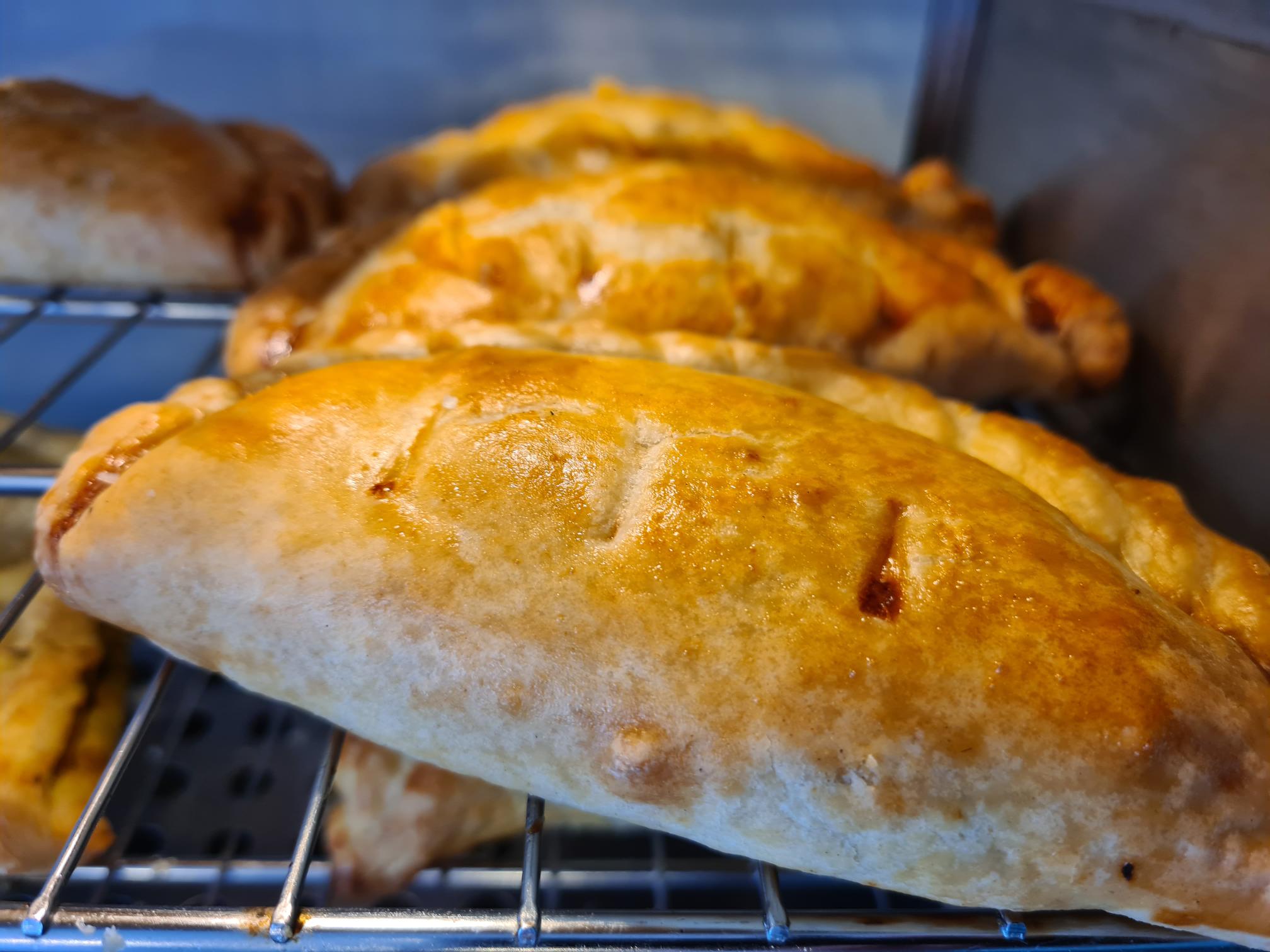
We are partial to a pasty all year round. They’re wonderfully warming in the cooler months and are brilliant for picnics in the summer.
But what’s the history behind this much-loved savoury favourite?
First references to the pasty
According to the Cornish Pasty Association, first references to the pasty started appearing during the reign of Edward III in the 14th century.
The word ‘pasty’ comes from the Medieval French Paste or Pasta, a pie containing whatever ingredients you desire without a dish.
A Cornish staple
By the 16th and 17th centuries, the pasty had become commonplace and by the 18th century was firmly established in Cornwall as a food eaten by working families.
The pastry case would be filled with vegetables such as potato, onion and swede, and was a cheap way to feed a family. There may have been a few scraps of cheap meat added, but usually meat was too expensive to use.
Cornish miners
The Cornish pasty really became a staple in the 19th century with the growth of Cornish mining.
The wives of tin miners would prepare pasties to provide sustenance for their husbands in the mines. They couldn’t surface for meals, so they carried their pasties down with them and ate them at lunch time.
It is thought that the shape of a pasty today is down to the miners. The crust was used as the handle for eating them, which would be discarded to prevent contamination from grubby fingers.
Pasties around the world
As the UK mining industry declined, many mining families emigrated across the world, taking the pasty with them and still to this day, many variations of the traditional pasty are enjoyed worldwide.
Our pasties
A pasty can’t be called ‘Cornish’ unless it’s made in the county, ours come from Bodmin and are freshly baked, daily, here on the premises.
If you come in to see us, you can pick one up from our warmer.
Check out our opening hours here!