
Why do us Brits love tea so much?
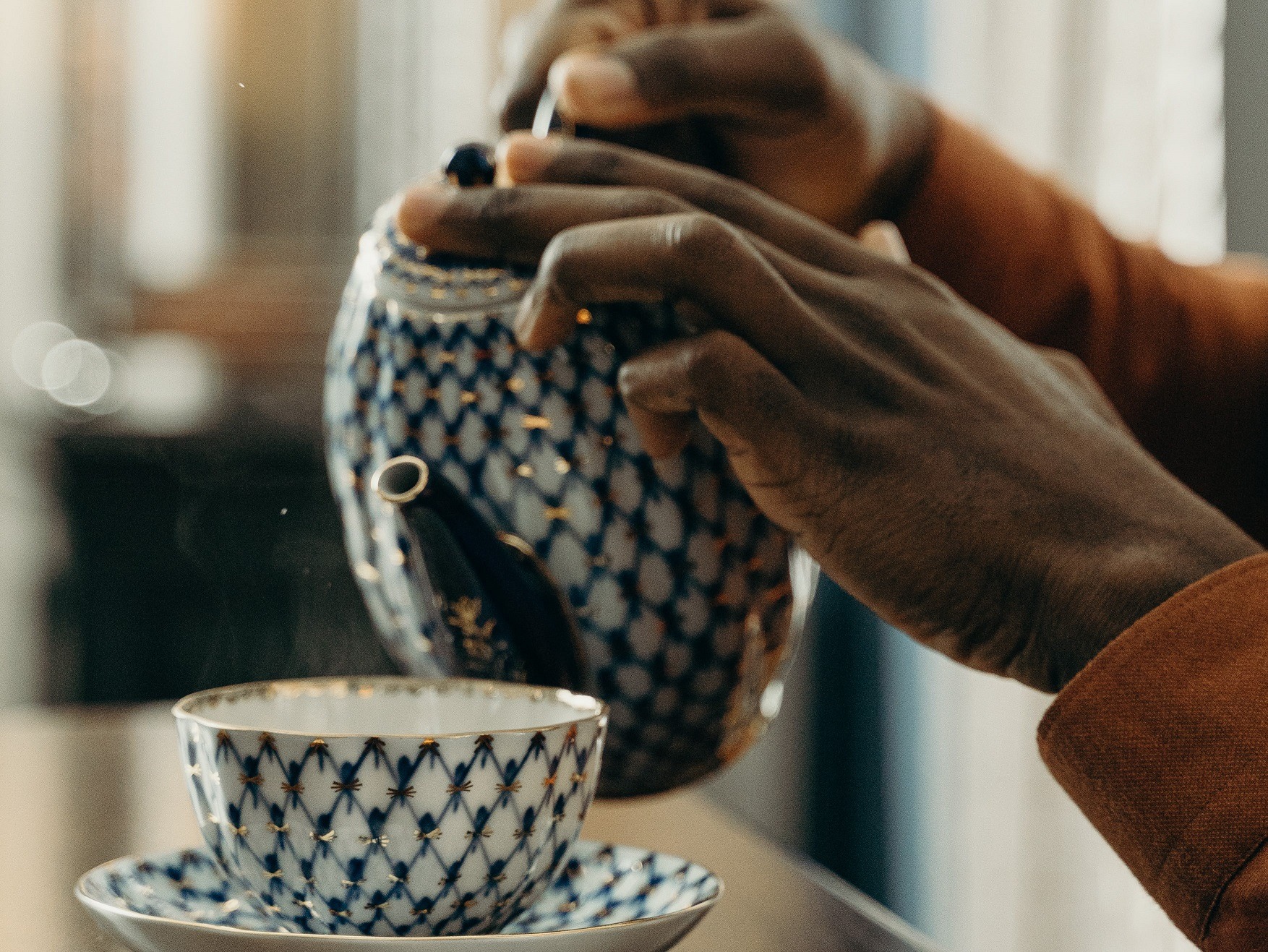
Tea is more than just a drink in Britain – it’s a cultural institution.
From morning cuppas to afternoon tea rituals, the British love affair with tea runs deep. But why is tea so beloved, and how did it become such a staple?
The story begins in the 17th century, when tea was introduced to Britain by merchants trading with China. Initially, tea was a luxury reserved for the wealthy, often enjoyed alongside fine porcelain and silverware.
Social activity
By the 18th century, tea had become more accessible, and its popularity soared – especially among women, who embraced tea drinking as a social activity.
The Industrial Revolution played a key role in cementing tea’s place in British life. Factory workers relied on tea breaks for comfort and energy during long shifts.
Tea was affordable, easy to prepare and paired perfectly with sugar and milk, creating the classic British brew we know today.
National pastime
By the 19th century, tea drinking was practically a national pastime. The tradition of afternoon tea, popularised by Anna, the Duchess of Bedford, added elegance to the ritual, combining tea with cakes and sandwiches.
Tea also became a symbol of British identity.
But perhaps less positively, as a commodity it wielded power for those who could buy and sell it and it even influenced global trade and politics through the East India Company.
Cornerstone of culture
Today, tea remains a cornerstone of British culture. Whether it’s a strong builder’s brew or a delicate Earl Grey, tea represents warmth, hospitality and a moment of calm in a busy day.
Connection, comfort & tradition
It’s not just about the drink – it’s about connection, comfort and tradition.
So next time you enjoy a cup of tea, remember – you’re sipping on centuries of history, good and bad, and enjoying a cherished British tradition.