
A brief history of the doughnut
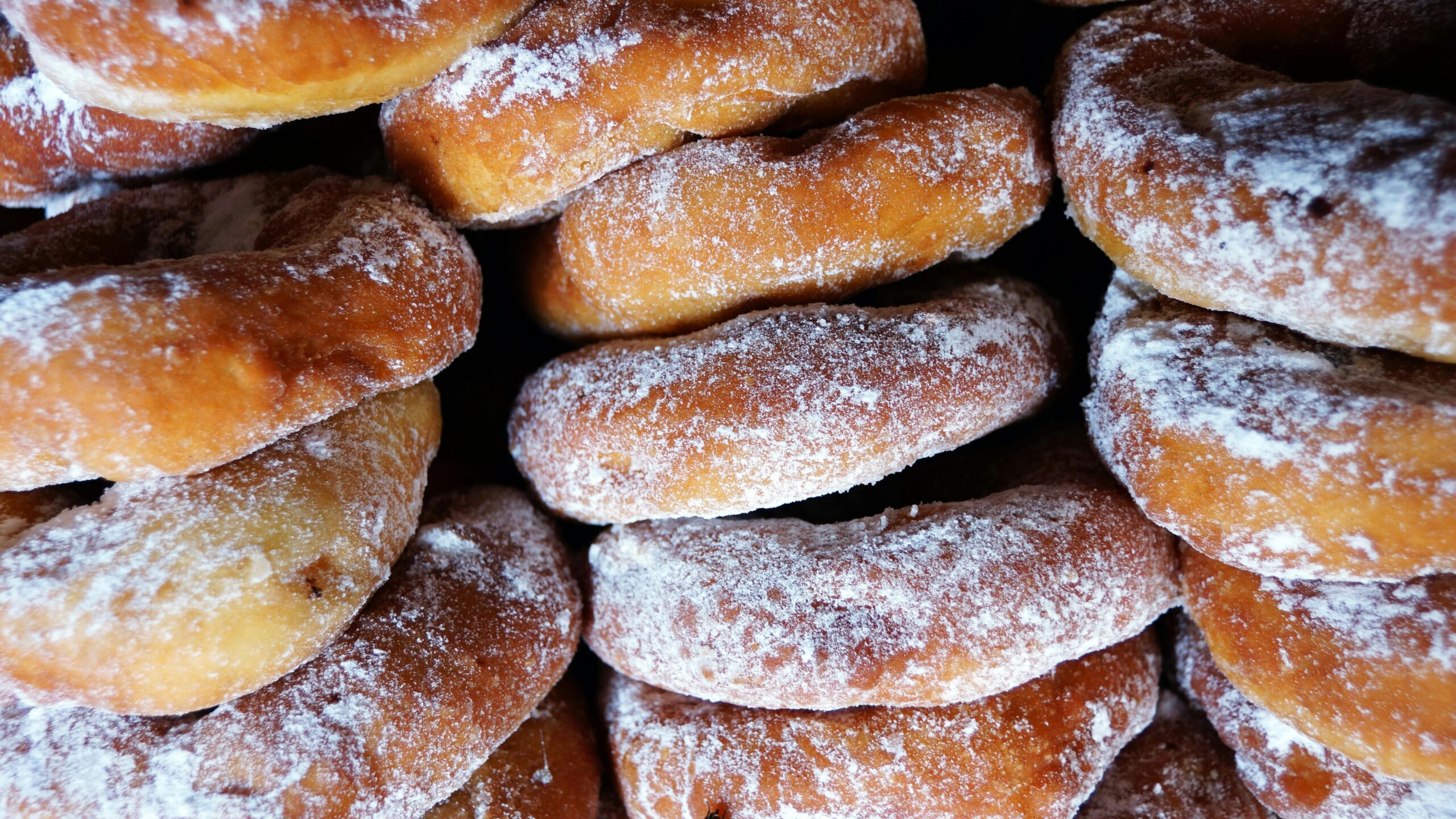
The doughnut, a beloved treat enjoyed worldwide, has a rich and evolving history.
Its origins go back to Dutch settlers in 17th century North America, who made ‘olykoeks’ – fried dough balls cooked in pork fat. These early versions were dense and lacked the iconic hole.
Innovation
The ring-shaped doughnut is credited to US ship captain Hanson Gregory, who in 1847 punched a hole in the centre to ensure even cooking. This innovation helped shape the modern doughnut we know today.
Doughnuts gained popularity in the US during the early 20th century, especially with the invention of automated doughnut machines. During World War I, ‘Doughnut Lassies’ served them to soldiers, cementing their place in North American culture.
World War II
In the UK, doughnuts became popular in the mid-20th century, particularly after World War II. American soldiers stationed in Britain introduced the treat, and it quickly caught on.
By the 1950s and 1960s, international chains like Dunkin’ Donuts and Krispy Kreme began expanding into the UK, further boosting their popularity.
Nostalgic staple
British seaside towns and funfairs also embraced the sugar-coated jam doughnut as a nostalgic staple.
In recent years, social media and food trends have elevated doughnuts to gourmet status. Artisanal bakeries, like us, across the UK now offer inventive flavours and eye-catching designs, turning the humble doughnut into a canvas for culinary creativity.
Symbol of comfort
From its fried beginnings to its Instagram-worthy present, the doughnut remains a symbol of comfort and indulgence.
Whether enjoyed with tea or coffee, at a carnival or café, its sweet appeal continues to delight across generations.
Come and see us soon to see what we’ve got on the counter doughnut-wise. Get directions here.