The history of baking
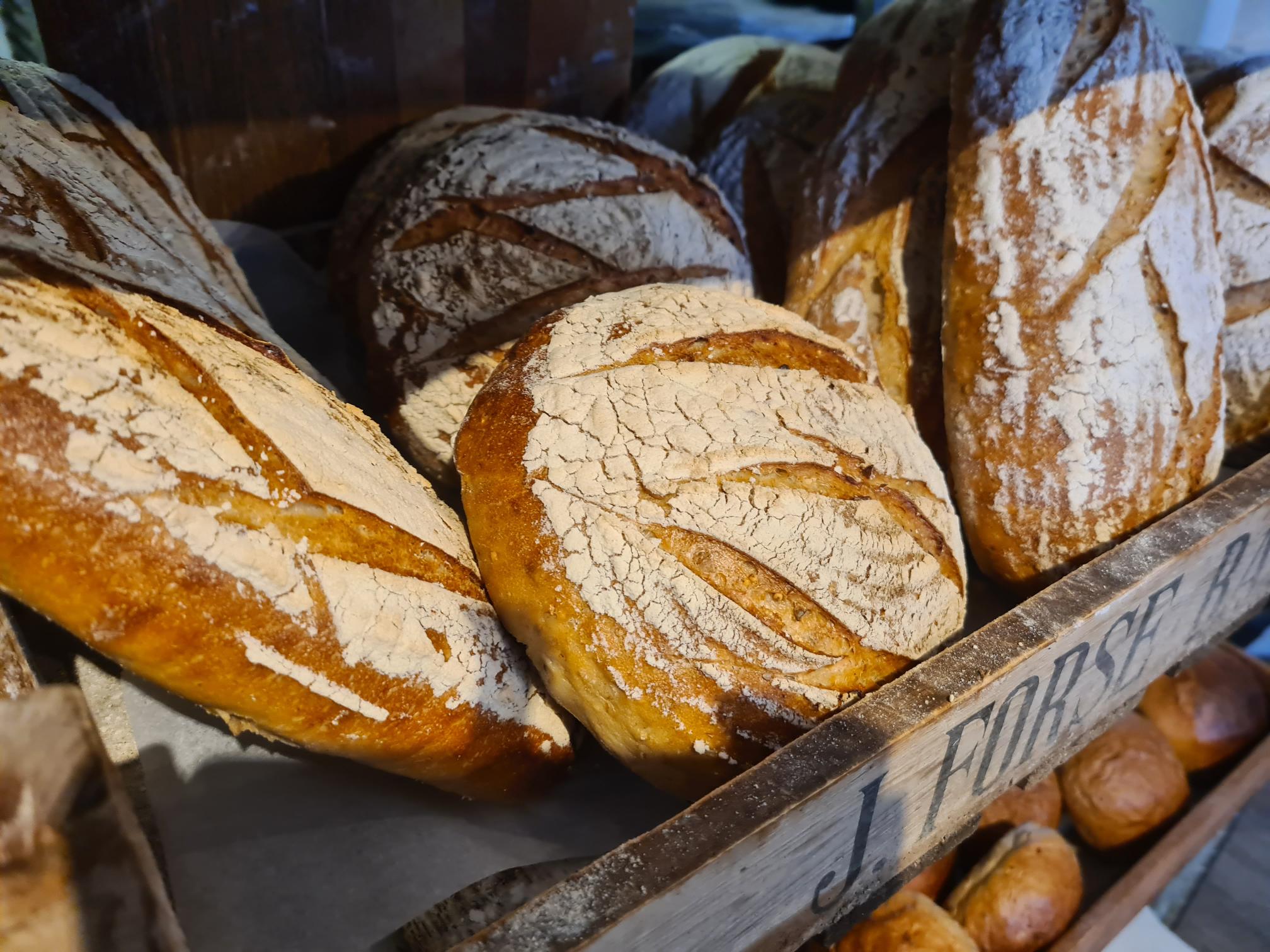
No one is quite sure when the first bread was baked and who made it.
It’s thought it was made in the Neolithic era, so around 10,000 years ago, when humans started cooking on hot stones and the cultivation of grains began, but it’s not clear.
The world’s oldest known oven, which was used more than 6,500 years ago, was found by archaeologists 10 years ago in Croatia.
Yeast was first used by ancient Egyptians to make bread, but it wasn’t until around 600 BC that bread baking as we know it began in ancient Greece. This was when enclosed ovens were invented and bread became a dietary staple.
However, it was the Romans who took baking to another level. Banquets and other celebrations were a time for fancy pastries and excess.
In fact, they loved their baked treats so much that, in approximately 300 BC, being a pastry cook was recognised as an actual occupation across the empire. They were called pastillarium.
The Romans also started a bakers’ guild in Rome in 168 BC.
Eventually the rest of Europe, partially through the growth of the Roman Empire, also took to baking. Asia caught up with the idea too and everyone was embracing baking.
It became a business and by the 1200s London was a hub for bakery.
By the 13th century in London, baking was an organised industry. There was a controlled market system for baked goods, bakers’ guilds, flour mills and businesses making cakes for celebrations.
One of baking’s most interesting claims to fame came in 1666 when a spark from the oven of a bakery owned by baker Thomas Farriner, on Pudding Lane, started the Great Fire of London. Many homes were destroyed and as a result it changed the way London looked, as King Charles II insisted all new housing was made from less flammable bricks and stone.
Baking got a bigger boost in the 20th century, as new methods of preservation began to be used and baking ingredients became more commonplace.