
What’s the difference between white, wholemeal and granary bread?
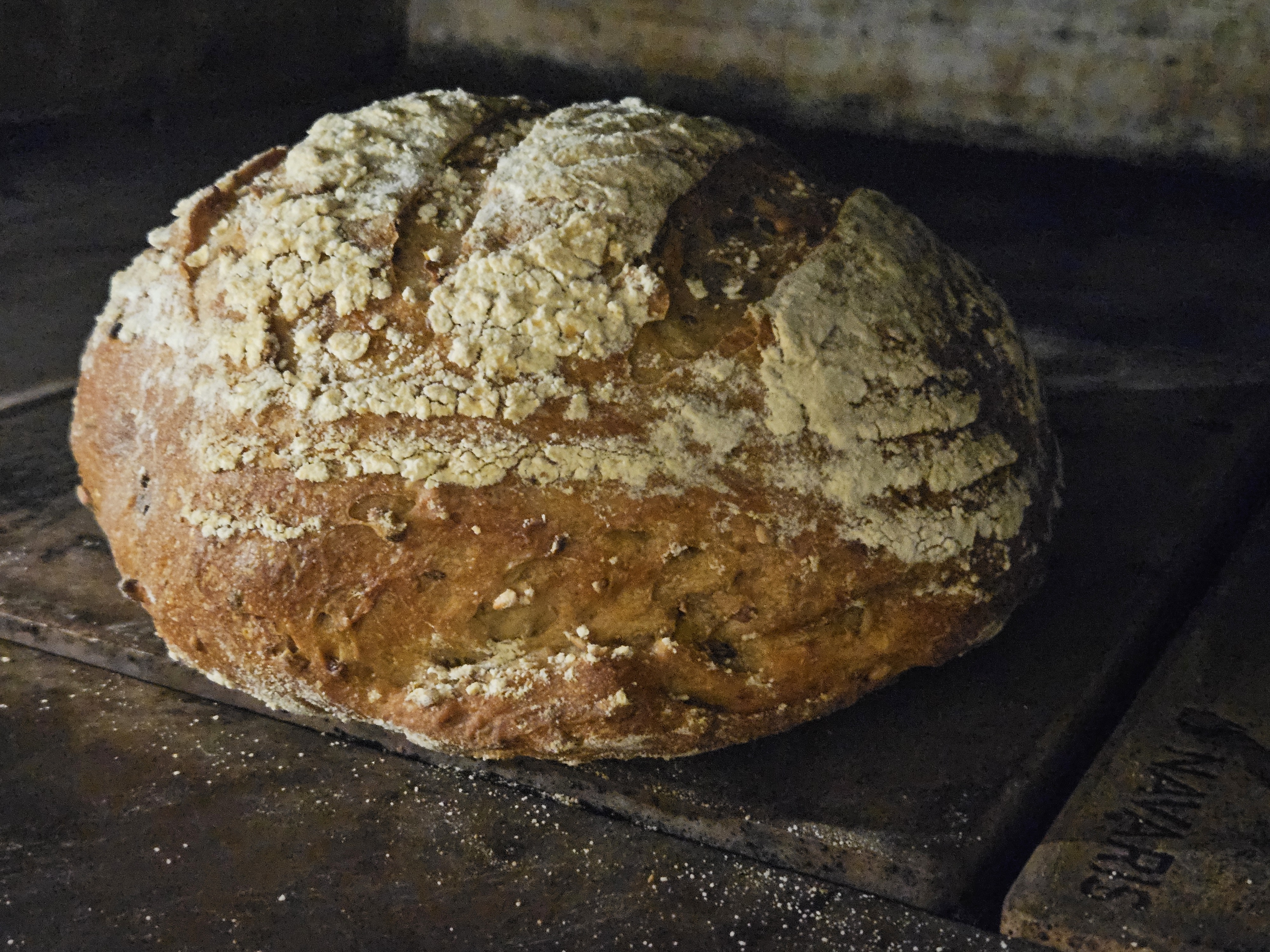
Bread is one of Britain’s favourite foods, but when you’re standing at the bakery counter faced with white, wholemeal and granary loaves, it can be difficult to know which one to choose. We’re often asked what sets these popular breads apart, so here’s a simple guide to help.
White bread
White bread is made using refined wheat flour, where the bran and germ have been removed during the milling process. This creates the soft texture and light colour that many people know and love. White bread is versatile, making it ideal for sandwiches, toast and everyday meals. Its mild flavour also makes it a family favourite.
Wholemeal bread
Wholemeal bread is made using flour that contains the entire grain, including the bran, germ and endosperm. Because more of the grain is retained, wholemeal bread has a denser texture and a richer, nuttier flavour than white bread.
Many people choose wholemeal bread as it contains more fibre and nutrients naturally found in the wheat grain. It pairs wonderfully with soups, cheeses and hearty fillings.
Granary bread
Granary bread sits somewhere between white and wholemeal in terms of flavour and texture. It is typically made using malted wheat flakes and a blend of flours, giving it a distinctive speckled appearance and slightly sweet, nutty taste.
The malted grains add extra texture and character, making granary bread a popular choice for sandwiches, toast and breakfast treats. Its unique flavour has made it a bakery favourite for decades.
Which bread is best?
The truth is there is no right or wrong choice.
White bread offers soft simplicity, wholemeal delivers a fuller flavour and granary provides a delicious balance of both. The best loaf is simply the one you enjoy most.
Why not try all three and discover your favourite?
Pop into our bijou bakery and explore our freshly baked selection.
Our team will be happy to help you find the perfect loaf for your table.