A brief history of Hot Cross Buns
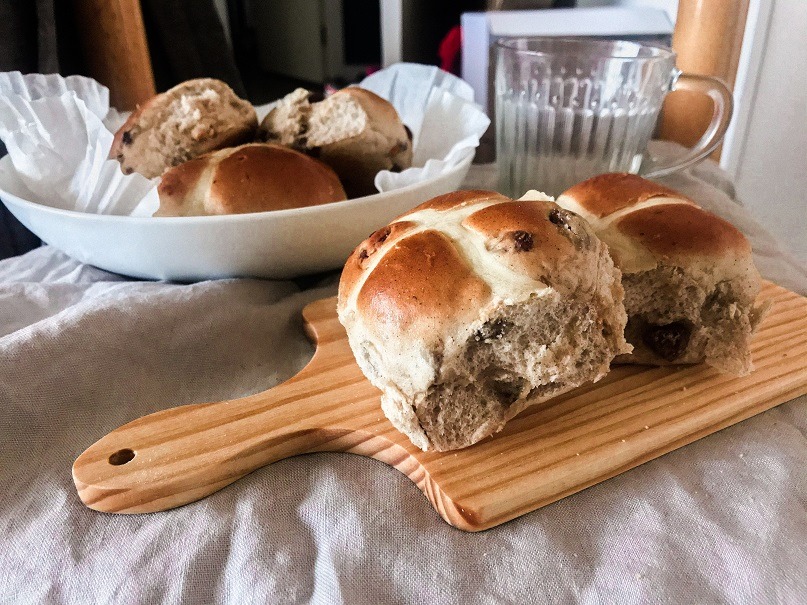
Hot cross buns are a beloved Easter tradition, but their history stretches back far beyond the modern bakery counter. These sweet, spiced buns marked with a cross have roots in ancient customs, medieval monasteries and centuries of folklore.
The idea of marking bread with a cross predates Christianity. Early versions are linked to the Saxons, who baked cross‑marked cakes to honour the goddess Eostre, with the cross representing the four seasons or quarters of the moon. Similar offerings existed in ancient Greece and Rome, where marked breads were baked for religious festivals.
Symbolism
As Christianity spread, these older traditions blended into new religious symbolism. By the Middle Ages, monks were baking cross‑marked buns for Good Friday. The cross became a symbol of Christ’s crucifixion and the spices inside were said to represent those used in His burial. These buns became a staple for breaking the Lenten fast.
Their popularity grew so much that Queen Elizabeth I issued a decree in 1592 banning the sale of spiced buns except on Good Friday, Christmas, or funerals, with offenders forced to give their buns to the poor. Despite this, the tradition persisted in home kitchens until restrictions eased.
Good Friday treat
By the 18th century, hot cross buns were firmly established as a Good Friday treat, sold by street vendors in London who inspired the famous rhyme “One a penny, two a penny, Hot Cross Buns.” The first printed reference to the buns appeared in 1733.
Folklore soon surrounded them: Good Friday buns were believed to never mould, protect sailors from shipwrecks and ensure perfect baking when hung in kitchens.
Tradition in every bite
Today’s buns – sweet, spiced and often studded with dried fruit – evolved over time, becoming a cherished part of Easter celebrations worldwide.
From ancient rituals to modern bakery shelves, hot cross buns carry centuries of tradition in every bite.