
A brief history of pancakes
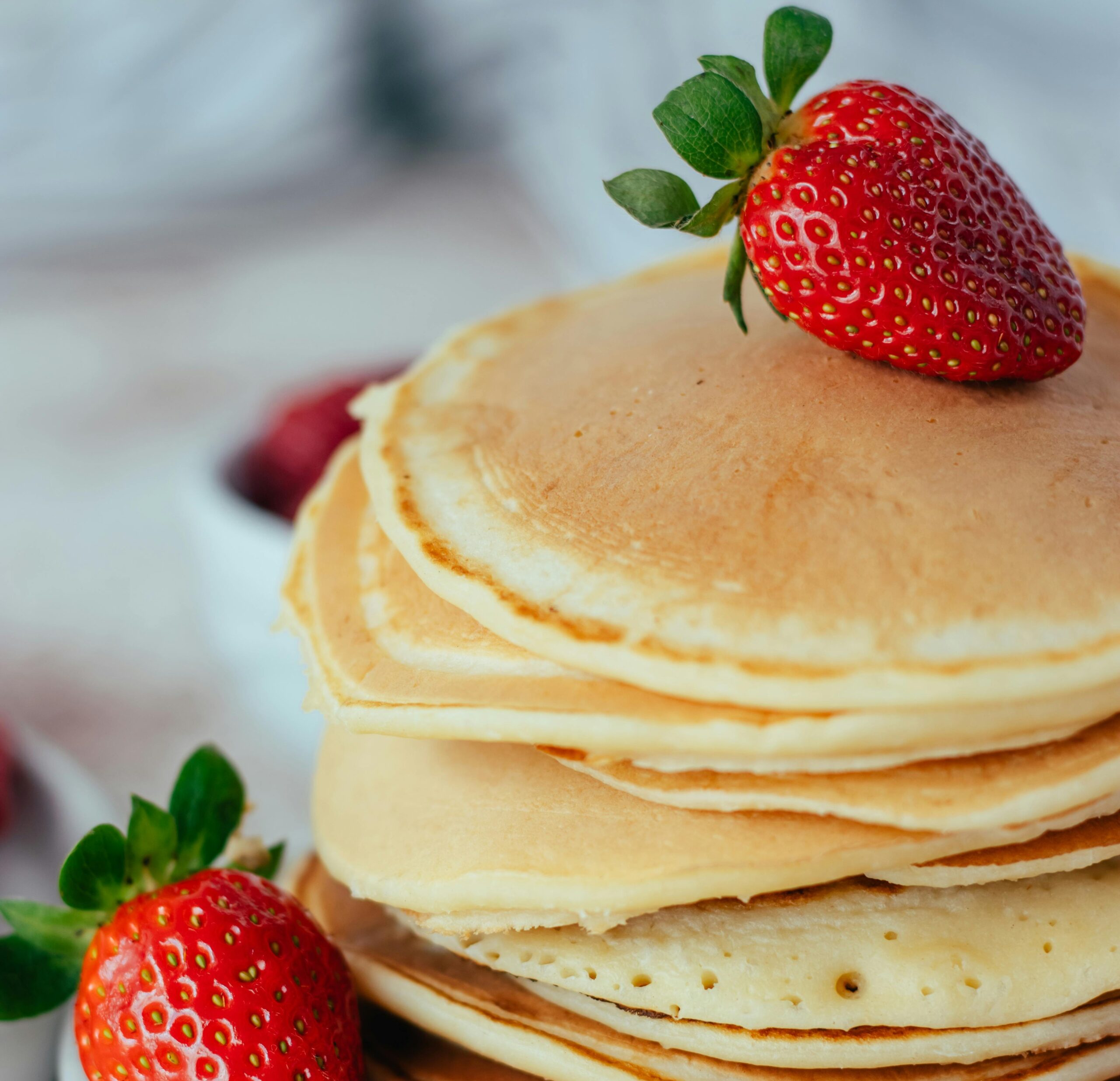
Pancakes are one of the oldest and most widely enjoyed foods in the world, with a history that stretches back thousands of years.
Long before they became a familiar feature of breakfast tables and Pancake Day celebrations, pancakes were a practical way to turn simple ingredients into a nourishing meal.
Prehistoric times
The earliest versions can be traced back to prehistoric times, when ground grains were mixed with water and cooked on hot stones.
In ancient Greece and Rome, pancakes were made using wheat flour, olive oil, honey and milk, often served as a sweet dish. These early recipes show just how long pancakes have been valued for their simplicity and versatility.
Shrove Tuesday
Across Europe, pancakes evolved alongside local traditions and ingredients. In medieval England, they became closely linked to Shrove Tuesday – the day before Lent began.
This was a time to use up rich ingredients such as eggs, milk and butter before the fasting period, making pancakes the ideal solution. That tradition continues today, with Pancake Day in the UK falling on Tuesday, February 17 in 2026.
Fillings
Elsewhere, pancakes took on many different forms. In France, thin crêpes became popular, enjoyed with both sweet and savoury fillings.
In Russia, blini were eaten during festivals to symbolise the sun and the return of spring. In North America, thicker pancakes made with raising agents emerged in the 19th century, once baking powder became widely available.
Everyday ingredients
What connects all pancakes, regardless of place or time, is their adaptability. Made from everyday ingredients and shaped by culture, pancakes have always been about making the most of what’s available.
From ancient hearths to modern kitchens, they remain a shared food – bringing people together, one flipped pancake at a time.