
The ultimate artisan loaf
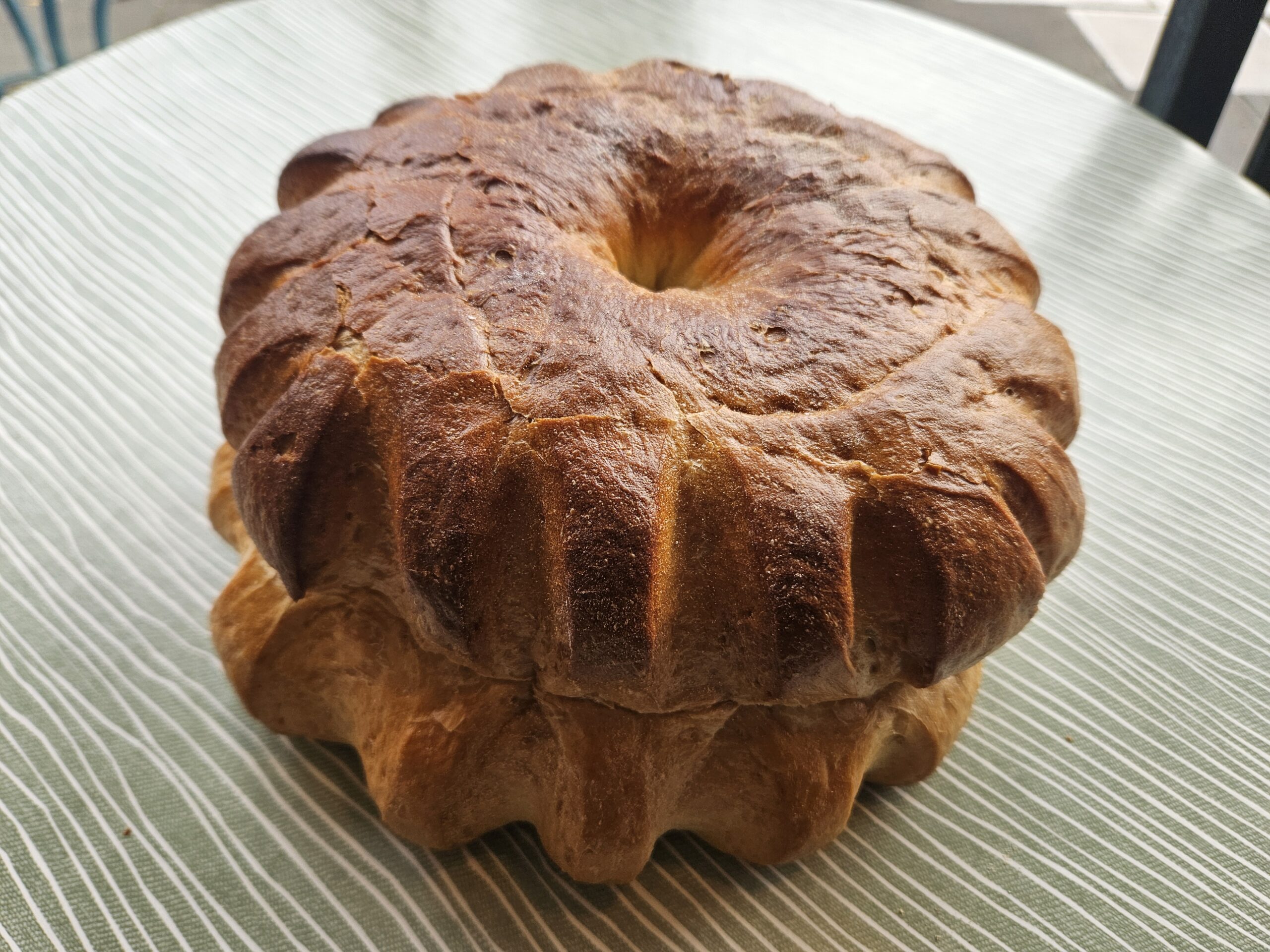
The cottage loaf symbolises an arts and crafts era that has long since been lost.
Looking like something straight out of the pages of a Ladybird book and originally from the south of England, this traditional type of bread was first referenced in the early 19th century but is thought to be much older.
Roman
It’s said to have been invented during the Roman occupation of Britain, when bread ovens were tall and shaped like beehives.
To stack one loaf on top of another made maximum use of oven space, a necessity when the ovens were communal and had to accommodate the bread needed for all the villagers.
National favourite
Move on several centuries and cottage loaves continued to be a national favourite and eventually in the early 19th century they started to be mentioned in text.
They were lauded in the Victorian arts and crafts era due their romantic rustic country appeal, which came from their circular shape with large topknot, resembling a French brioche or the ‘pain chapeau’ from Brittany.
Their popularity then remained constant until the Second World War.
Virginia Woolf
British novelist Virginia Woolf, who died in 1941, was a keen baker and loved to make cottage loaves. Her cook Louie Mayer is quoted in ‘Recollections of Virginia Woolf’ saying that she was taught by the writer to bake the bread.
She says: “She showed me how to make the dough with the right quantities of yeast and flour, and then how to knead it. She returned three or four times during the morning to knead it again. Finally, she made the dough into the shape of a cottage loaf and baked it at just the right temperature.”
However, what may have led in the end to the cottage loaf’s eventual fall from favour was the time it took to prepare it and its tendency to be difficult to make, as the dough needed be firm in texture, yet light enough for the top loaf not to sink into the bottom one when baking.
Wartime
It’s thought wartime rationing and a reduction in home baking during this period, as many women were now in full-time employment with the men away fighting, also led to its demise.
World-famous British author and writer, George Orwell, mentioned the cottage loaf in his article ‘In defence of English Cooking’ in 1945. He commented: “…is anything quite as good as the soft part of the crust from an English cottage loaf (how soon shall we be seeing cottage loaves again?).”
Tricky to make
After the Second World War, cottage loaves all but disappeared from bakeries. During the second half of the 20th century, convenience was the order of the day.
A bread that was tricky to make and had too much crust was expensive and not suitable for toast or sandwiches, which were increasingly popular in a busier world. So, the cottage loaf went out of fashion.
However, times are changing again and with our love of artisan baking here, our Head Baker Kev is now baking cottage loaves once a week for you to enjoy.
Available from us
They are available from us daily for just £2.75 each. Get in touch to pre-order yours, as they sell fast. Call us on 07467 399231 or email hello@communibakes.pro. We’re also making cottage rolls daily too.
All items are subject to availability. Prices and details correct at time of publishing (June 2025).