
The many uses of rosemary
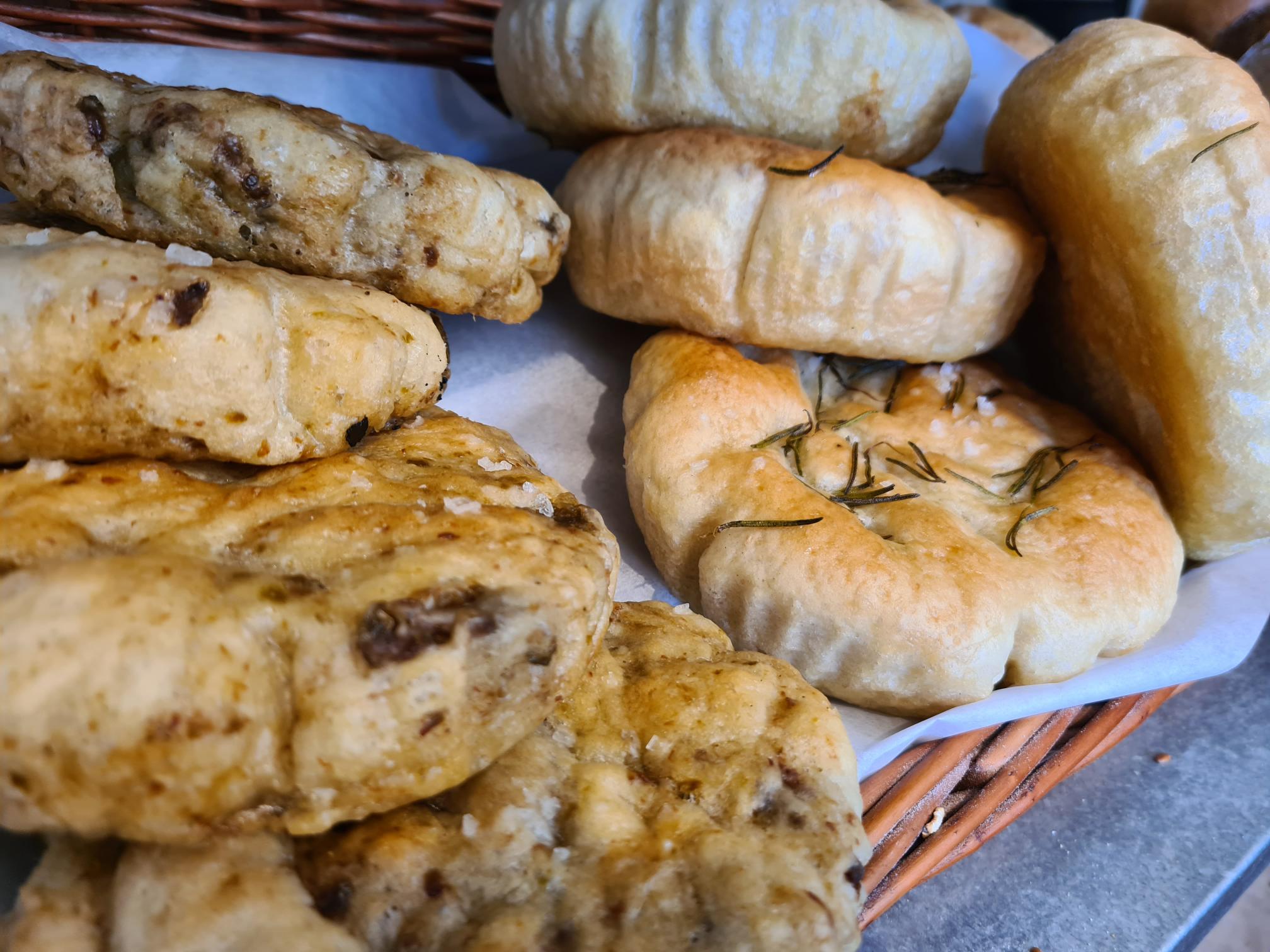
Rosemary is a marvellous herb that is wonderfully fragrant.
Its evergreen foliage when warmed evokes Mediterranean holidays and lazy afternoons.
Here, we use the herb to top our focaccia when we’re baking it. We sprinkle sprigs over the bread, so they bake in or use rosemary infused sea salt in our recipe.
Popularity
But the plant has many other uses and has grown in popularity down the ages.
Rosemary probably came originally to Britain with the Romans initially.
In the Middle Ages it was used in monastic gardens, cut into topiary and used for hedging. Clothing was dried on rosemary bushes to add a fresh scent to it as well.
Lutes
Its leaves were also utilised to make a tea thought to relieve headaches and was important in the washing of hair, as it was thought to strengthen it.
In the Elizabethan era, the wood of tall growing rosemary shrubs was used to make the lutes for celebrations.
For remembrance
In Shakespeare’s Hamlet, Ophelia says: “There’s rosemary, that’s for remembrance; pray you love remember.” His reference to the herb reflects its symbolic importance in Tudor times.
It was also used in posies in the past and was given to the bridegroom on his wedding day to symbolise faithfulness. While the bride had a bouquet of gilded rosemary too.
Health benefits
Scientists also believe rosemary is good for you and that it could aid brain health and memory, as well as boost your immune system. Find out more here.
Nowadays, it’s not just focaccia that gets the rosemary treatment, it’s also widely used.
Versatile
In fact, this highly versatile herb is a brilliant addition to all sorts of dressings, marinades, ragus and more. It’s even used as a garnish in cocktails.
Next time you’re cooking or serving something up, why not see if you could use Rosemary in it too?