The history of the Bakewell tart
Along with all the dessert lovers out there, we’re celebrating National Bakewell Tart Day (August 11).
The Bakewell tart is an English classic of shortcrust pastry with layers of jam, frangipane, chopped almonds and icing.
It dates back to the 19th century when a woman named Mrs Greaves, who was the landlady of the White Horse Inn in Derbyshire, created the Bakewell pudding.
It is thought it was baked by mistake, when she asked her cook to create a jam tart, but instead of incorporating the almond paste and jam into the pastry, the cook spread the mixture on top. This created an egg custard resembling a pudding.
The mistake proved so successful, that the recipe stuck.
It was officially included in Eliza Acton’s cookbook “Modern Cookery for Private Families” in 1845 and was formally named the ‘Bakewell pudding’ after it was discovered in the town of Bakewell, Derbyshire.
In 1900 the pudding developed into the tart. The egg custard in the pudding was replaced with frangipane, because of its signature taste.
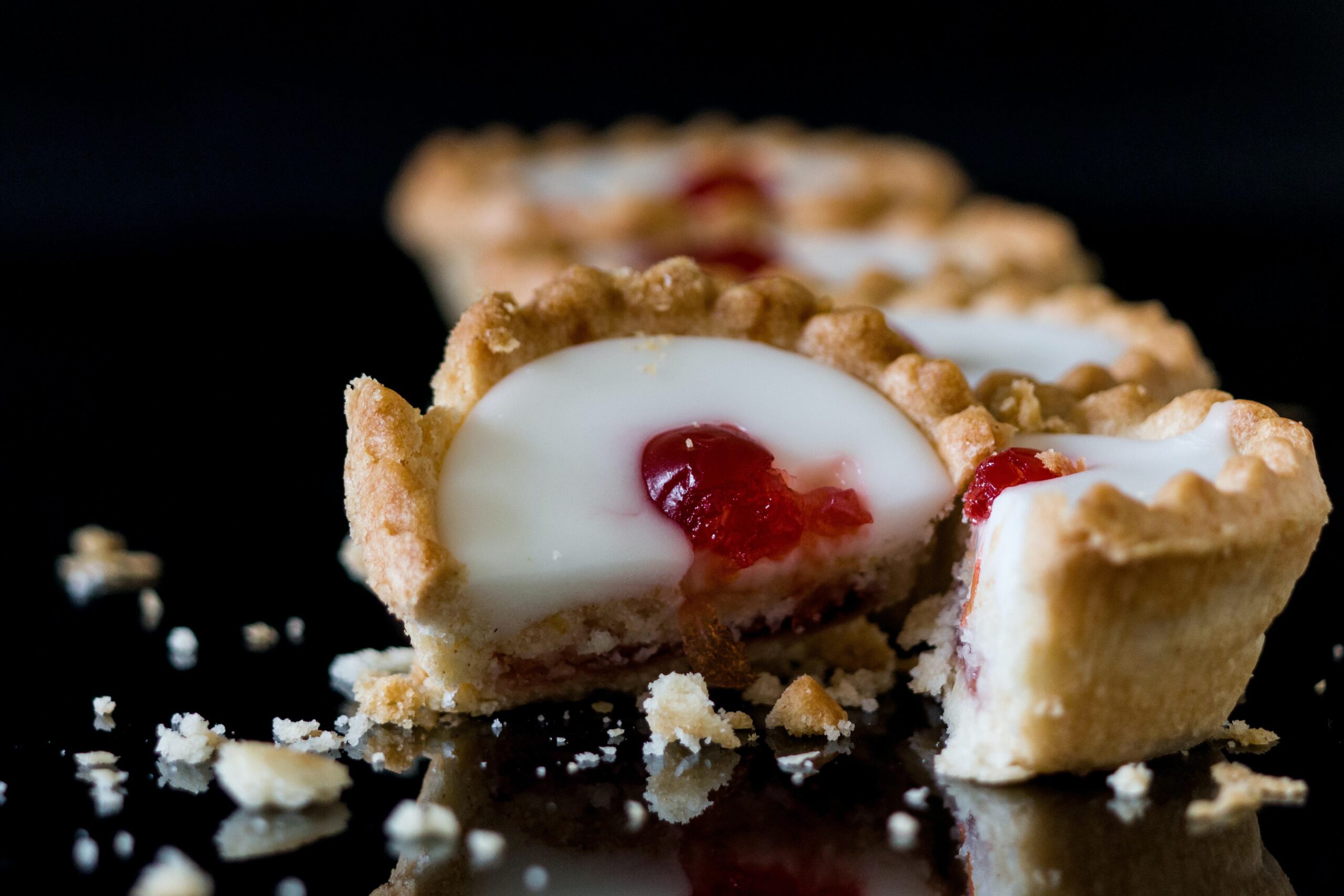
Through the years the recipe has been tinkered with slightly and chopped almonds were replaced with glace sugar paste and it became known as the ‘Cherry Bakewell’ when bakers started topping the tart with a candied half cherry.
The traditional Bakewell tart was eight to nine inches in diameter, whereas the Cherry Bakewell is designed to be smaller and enjoyed in individual bites.
National Bakewell Tart Day first started in 2020, so is a relatively new celebration.